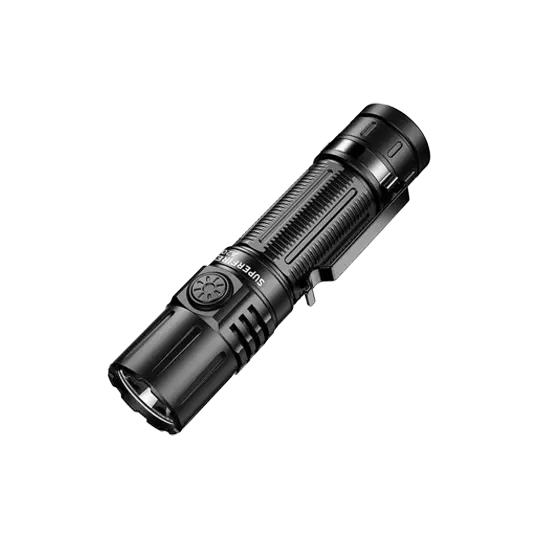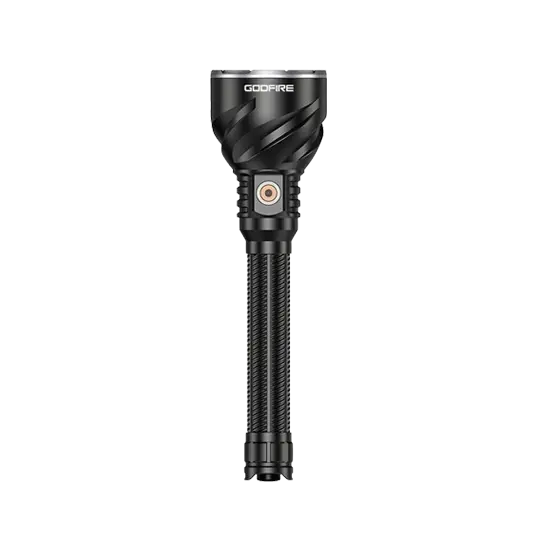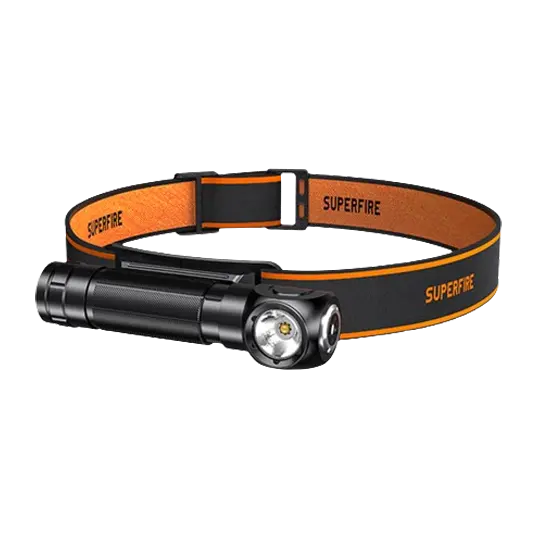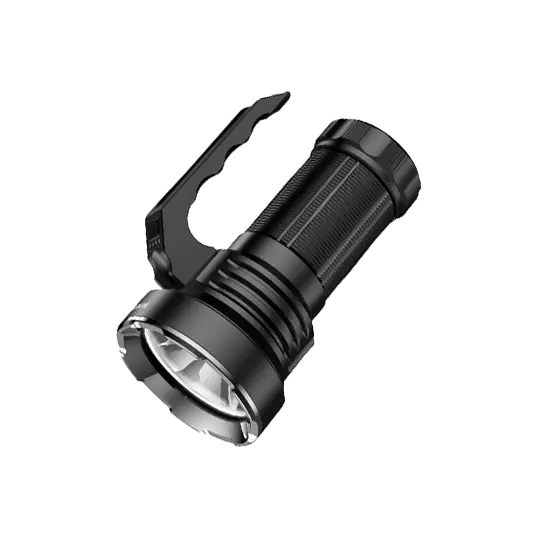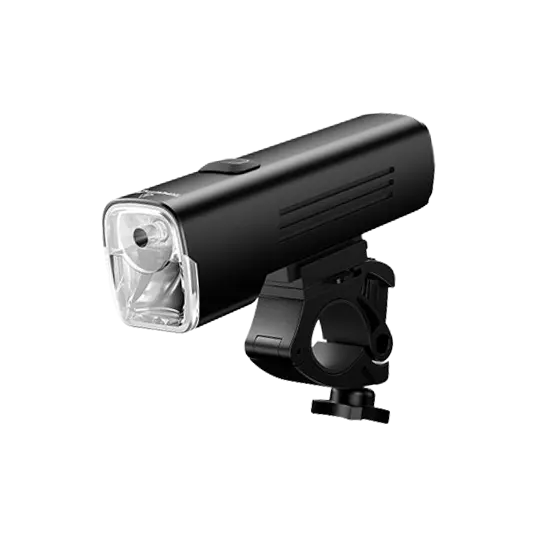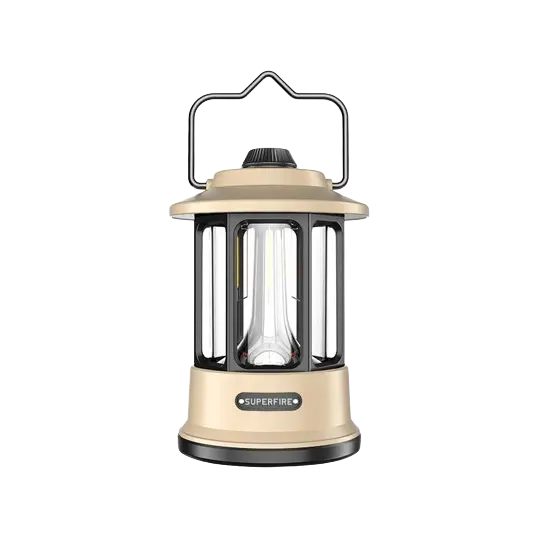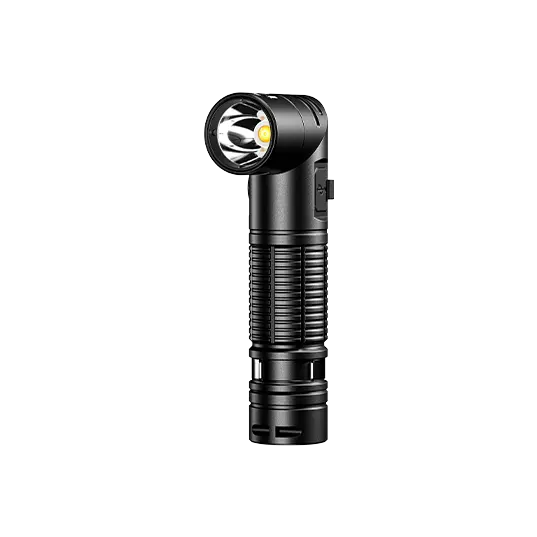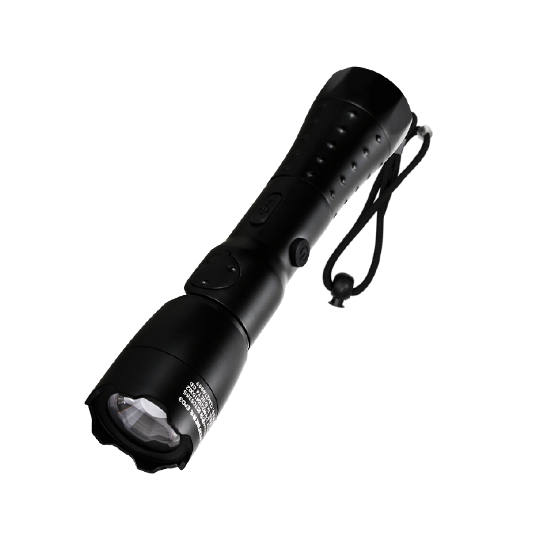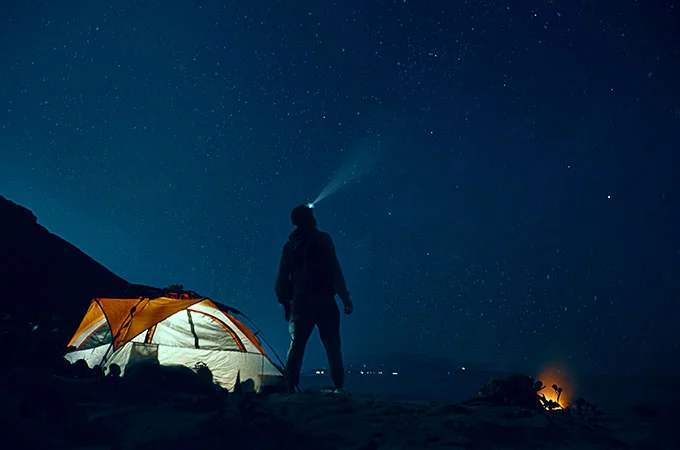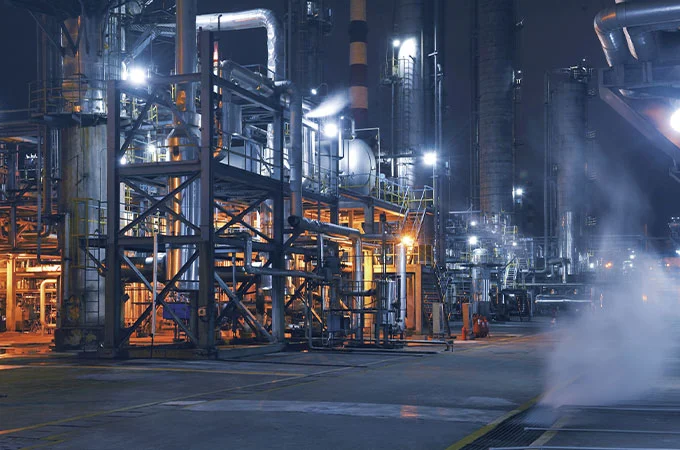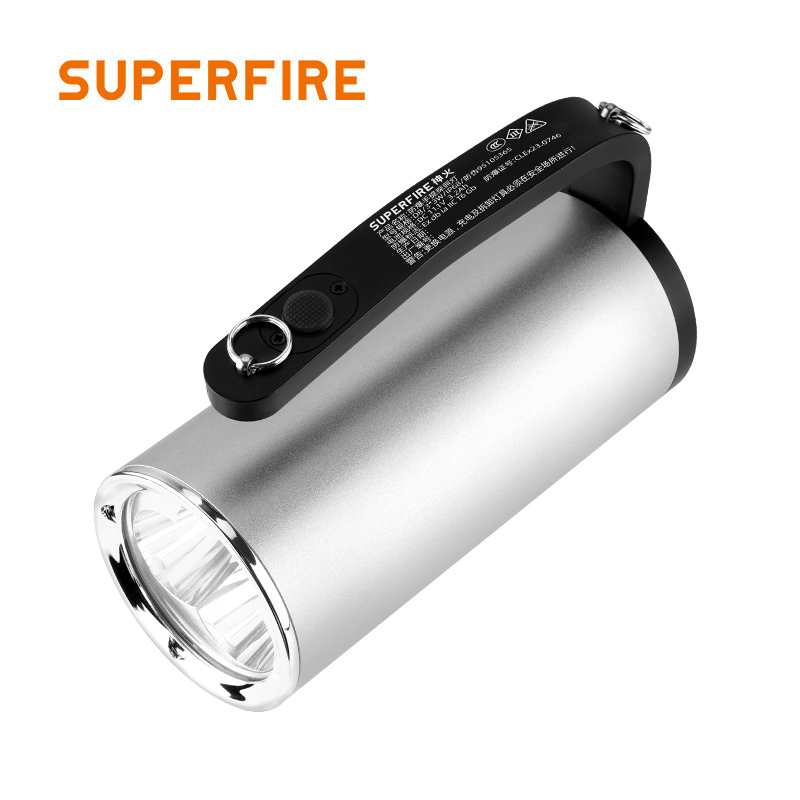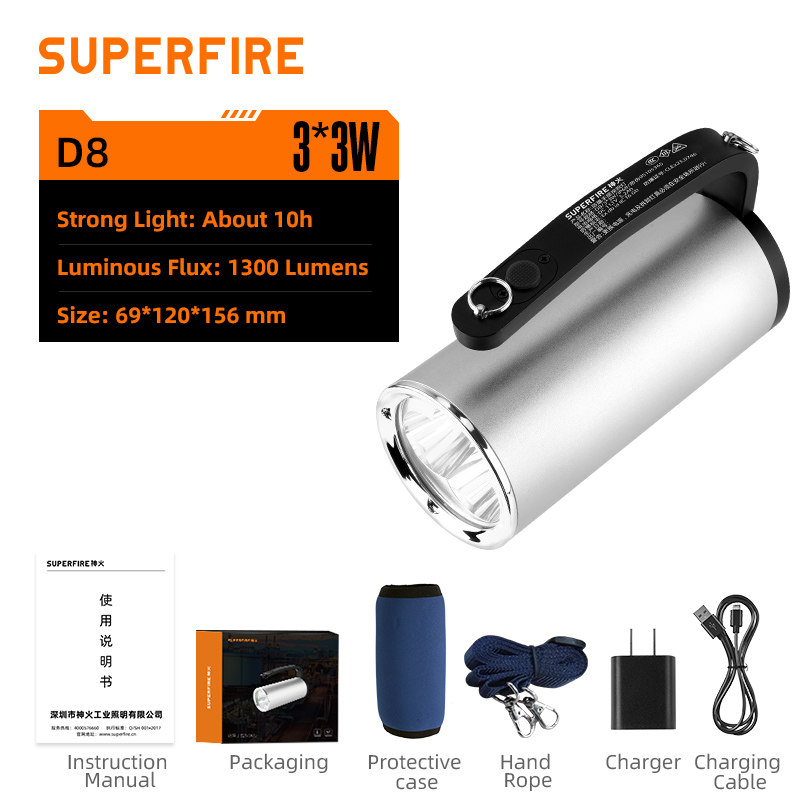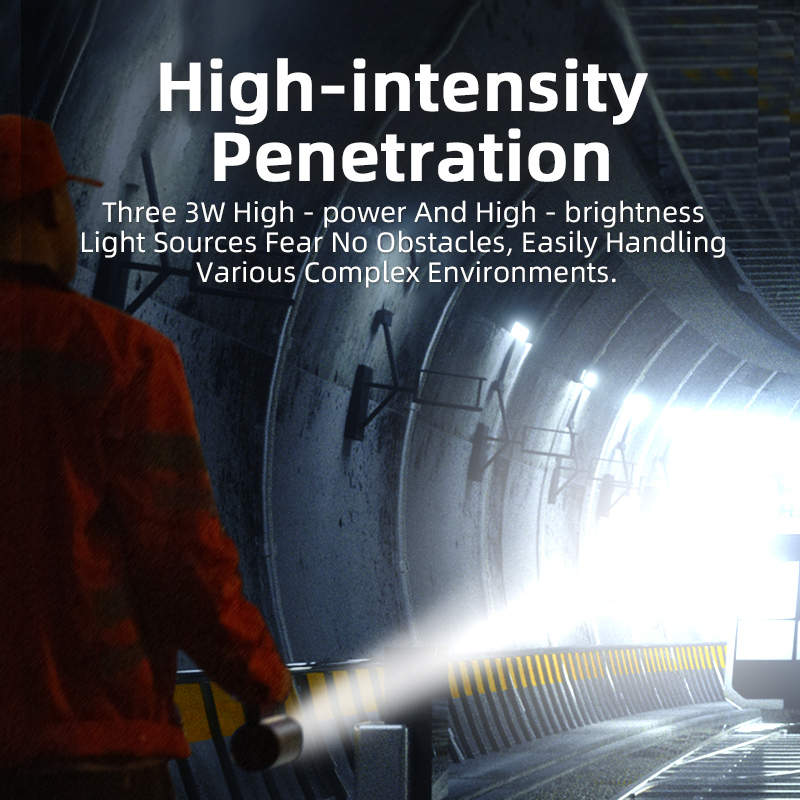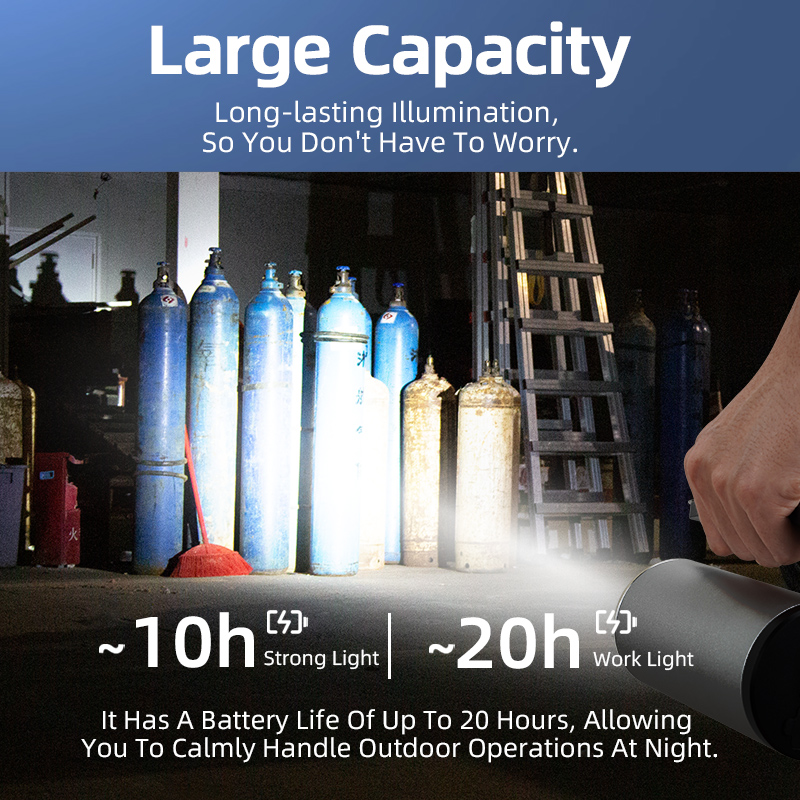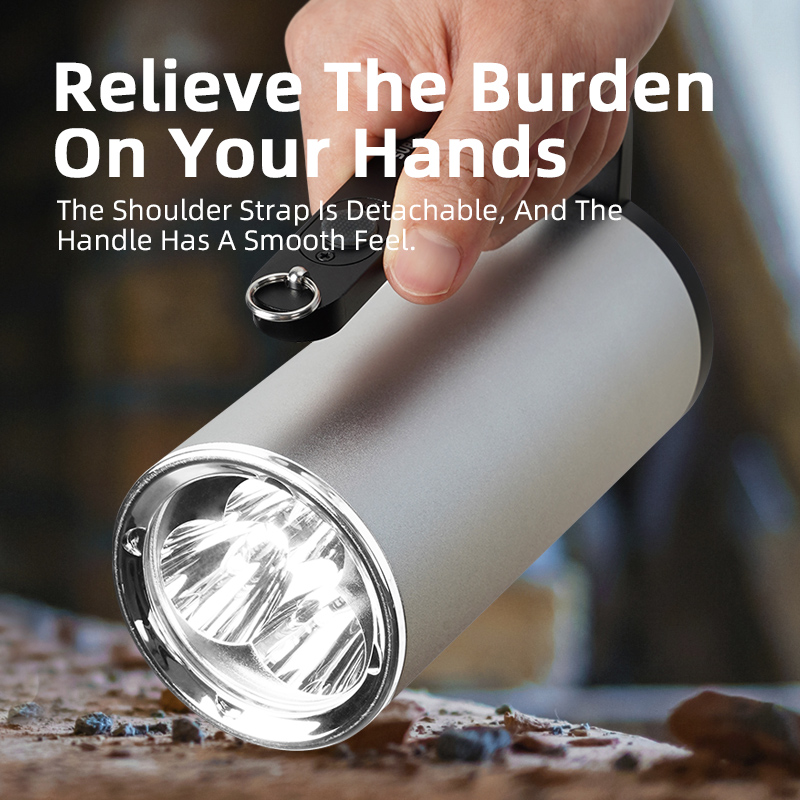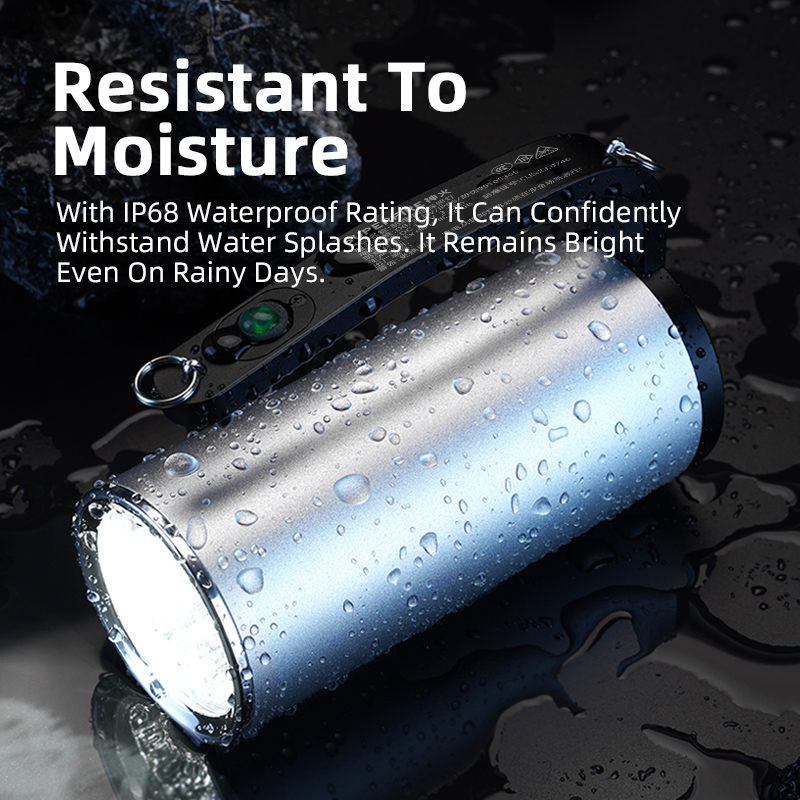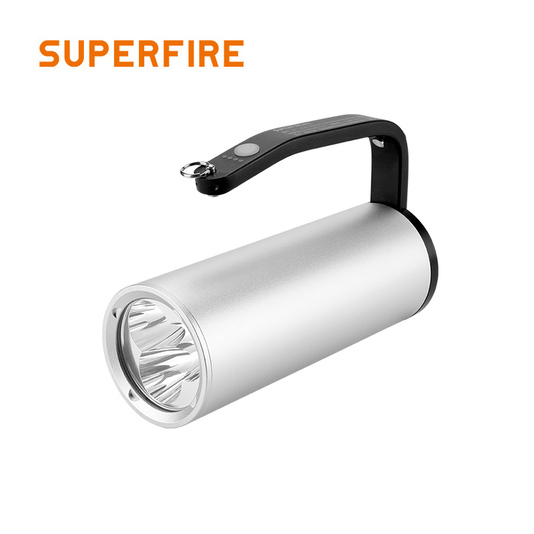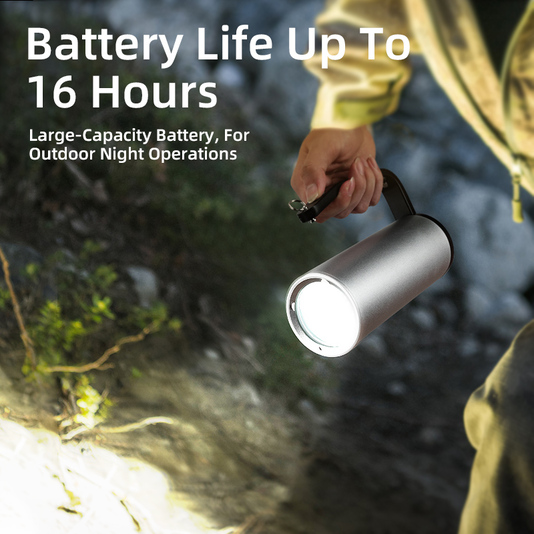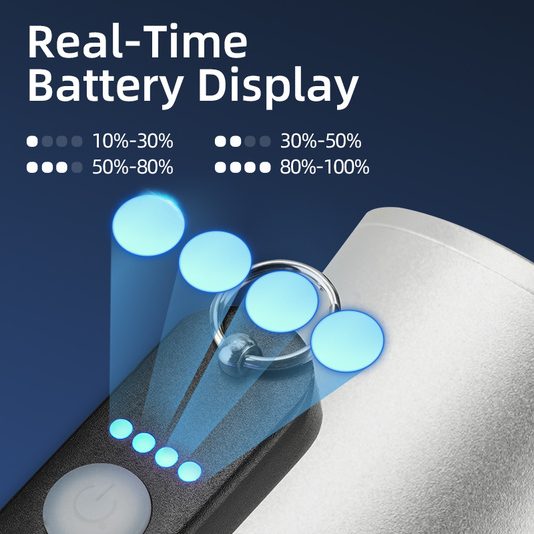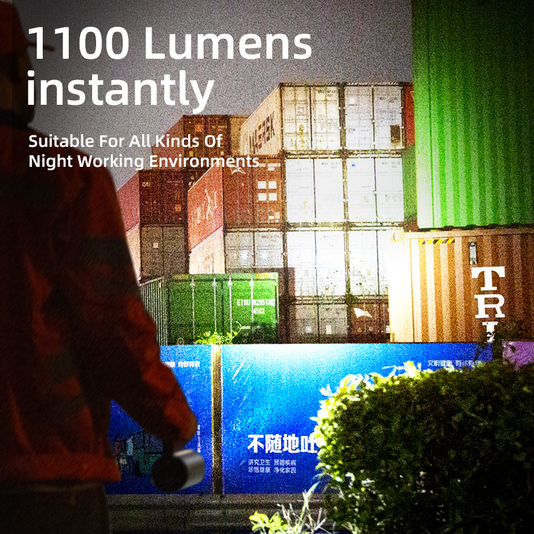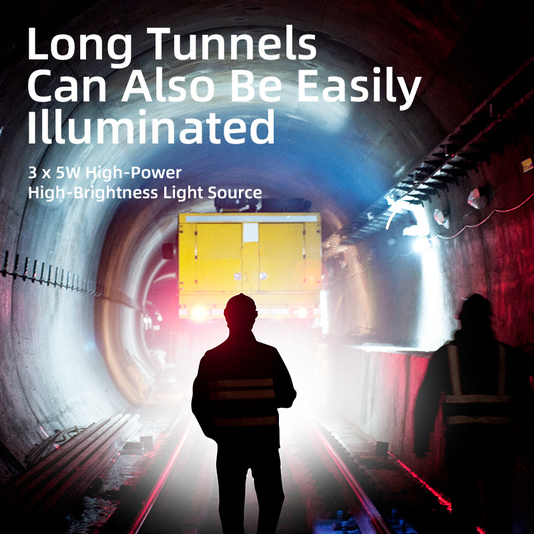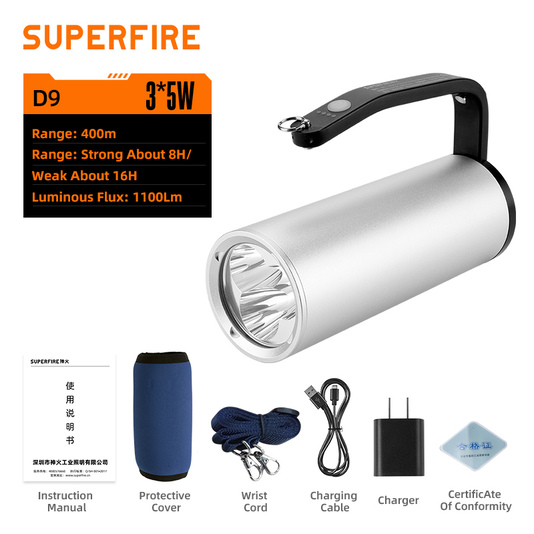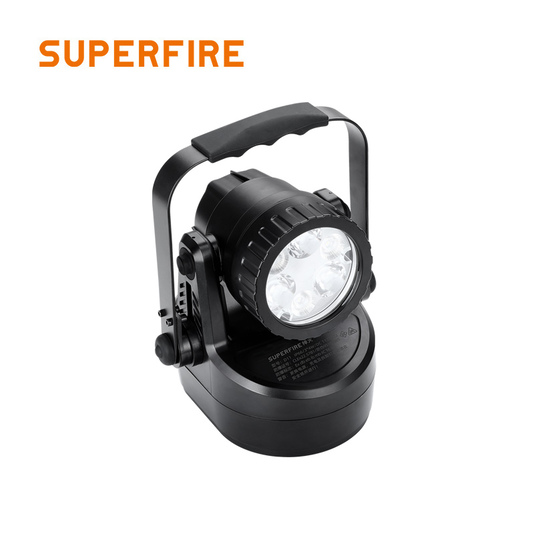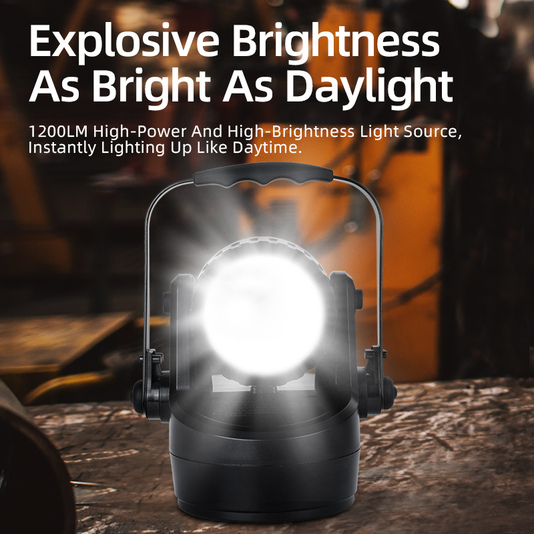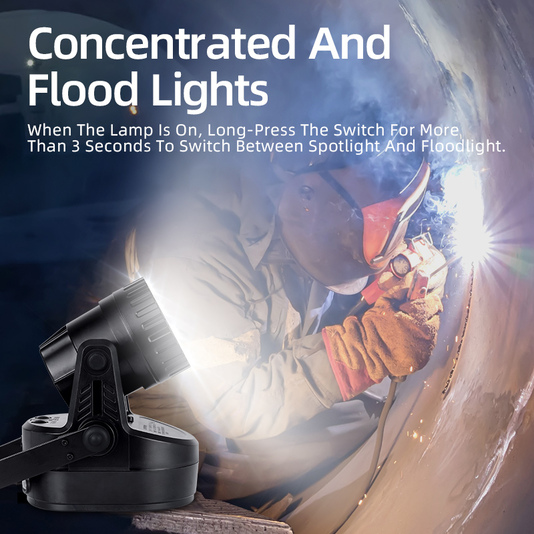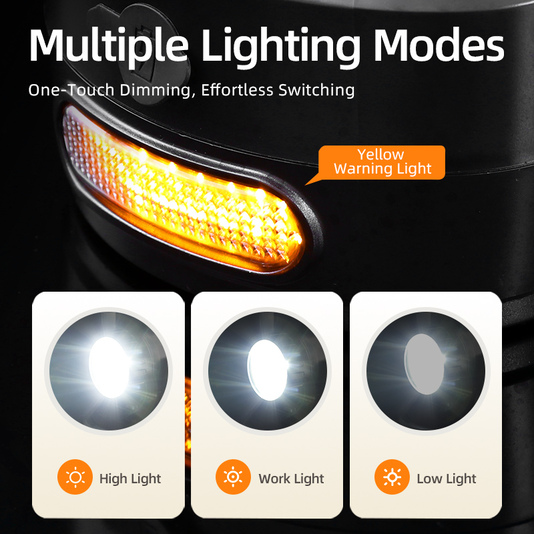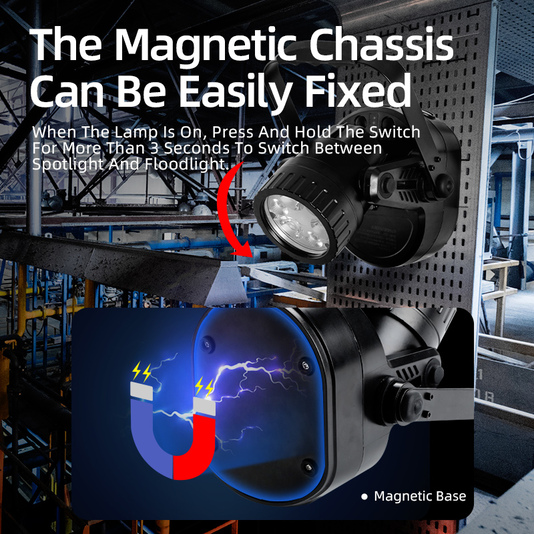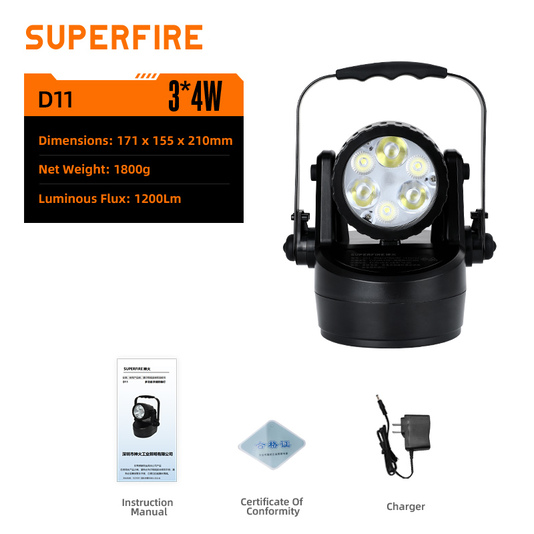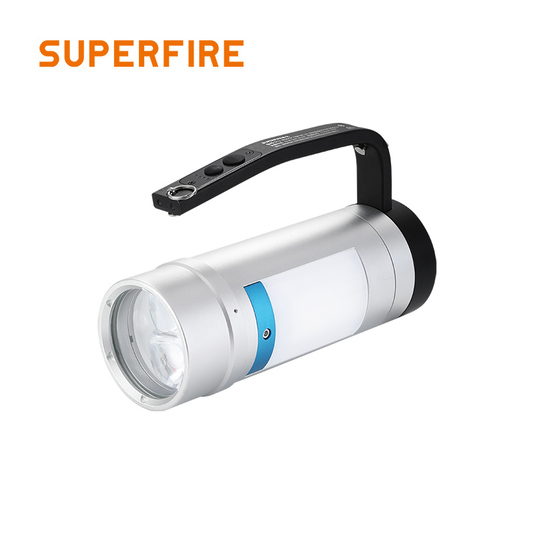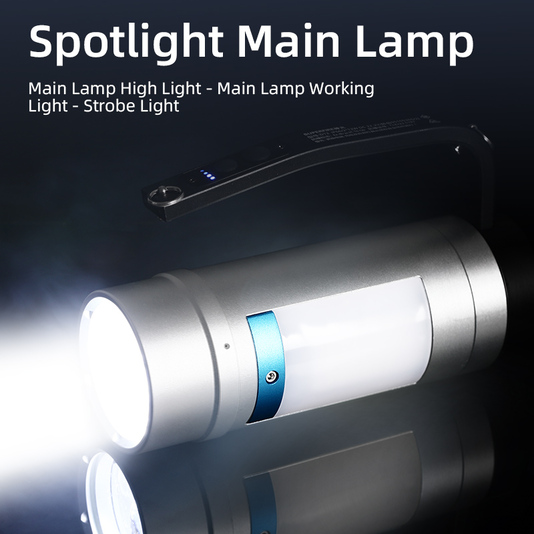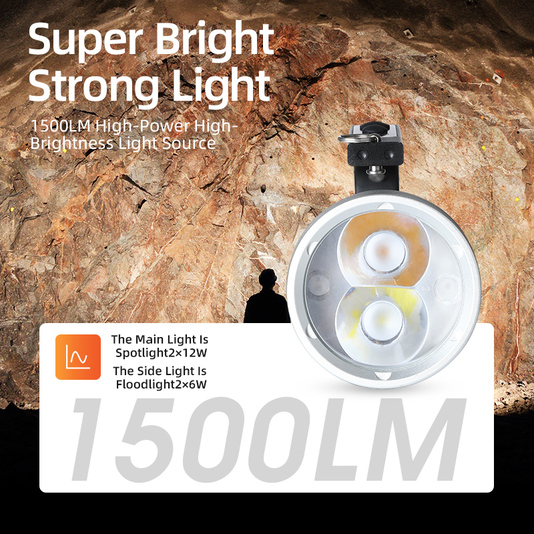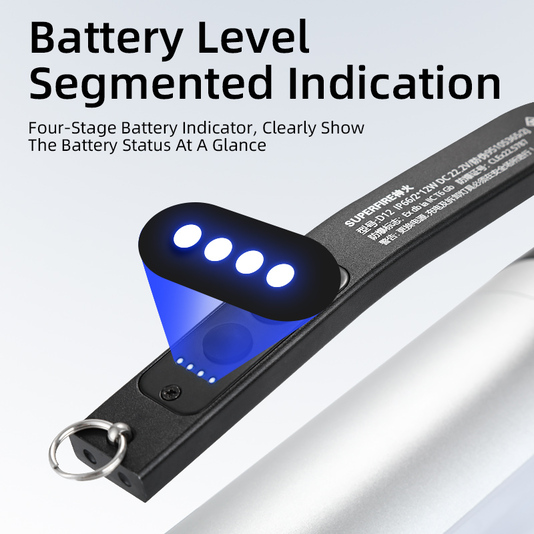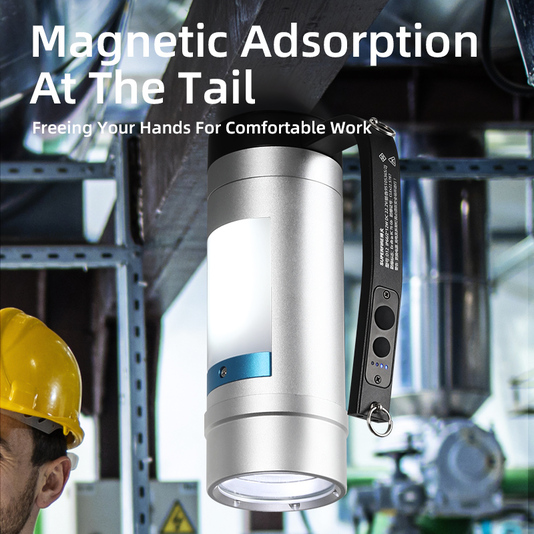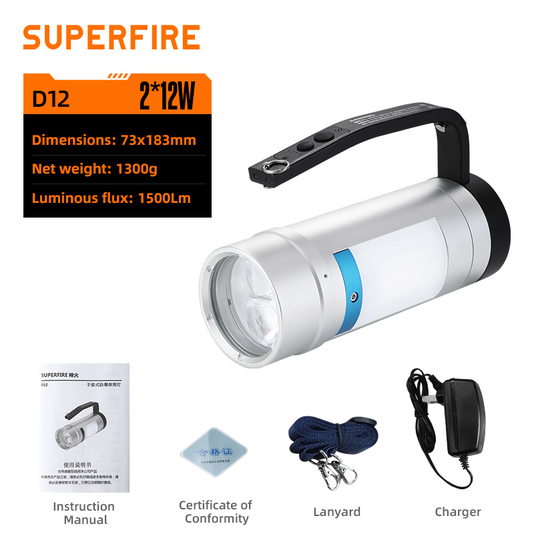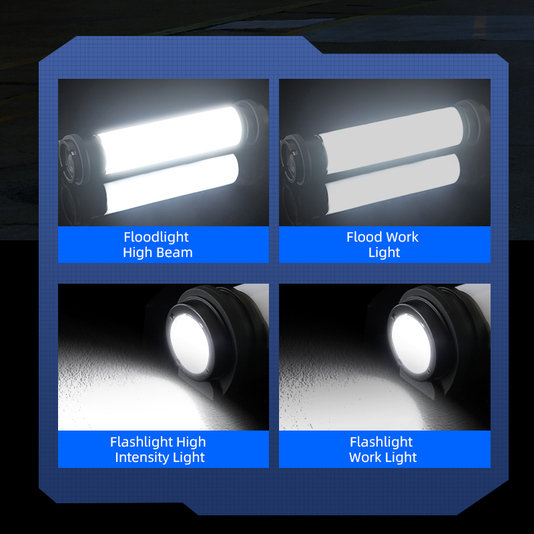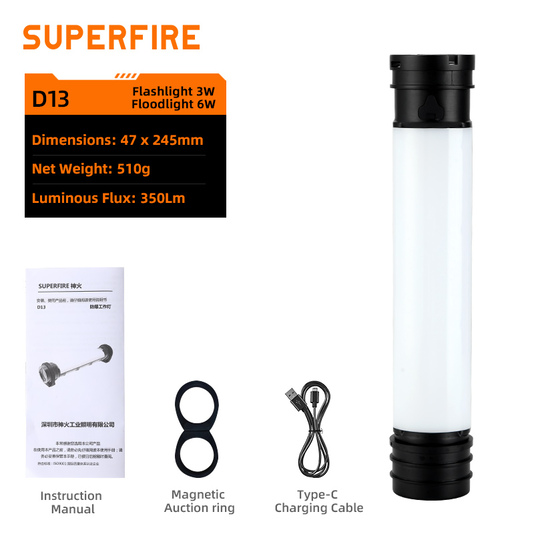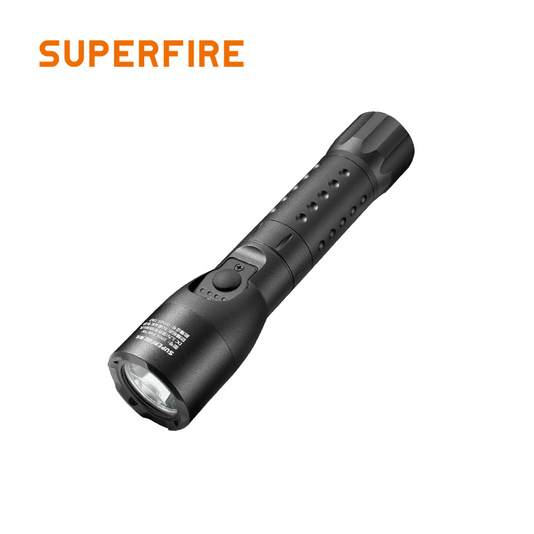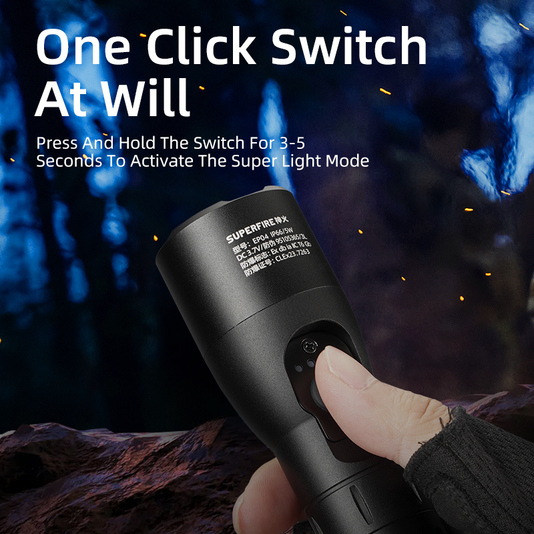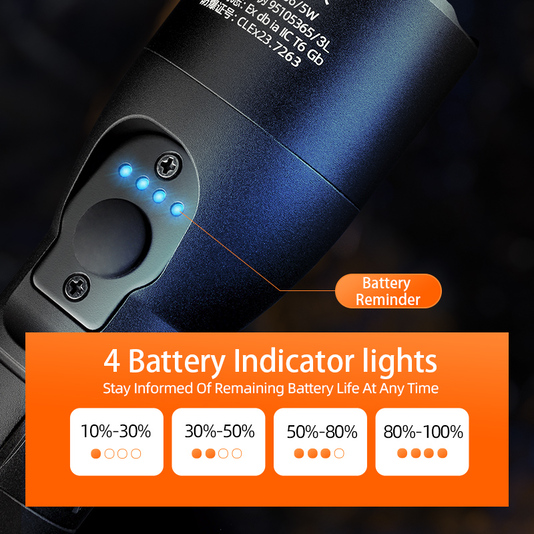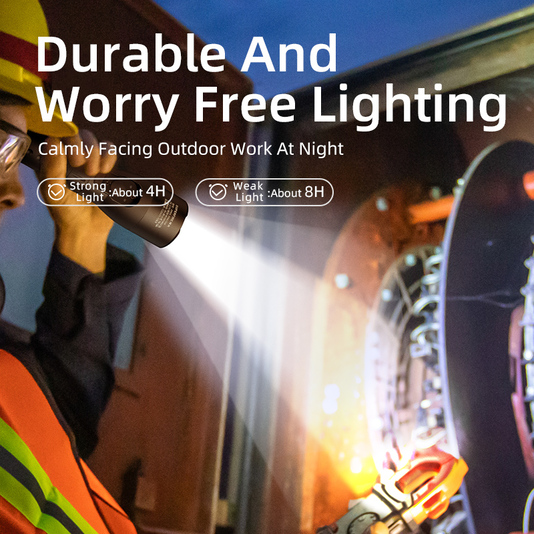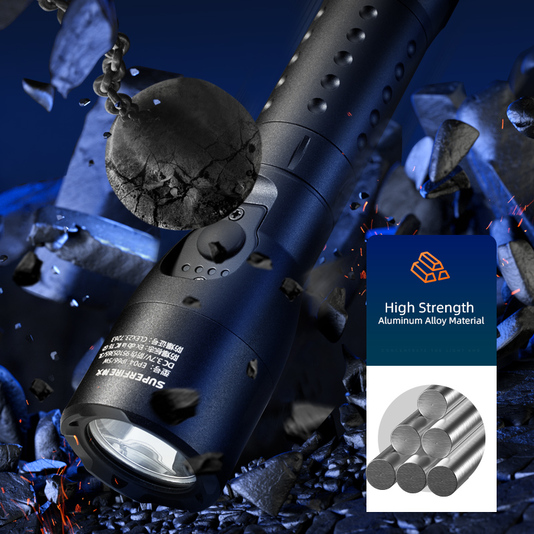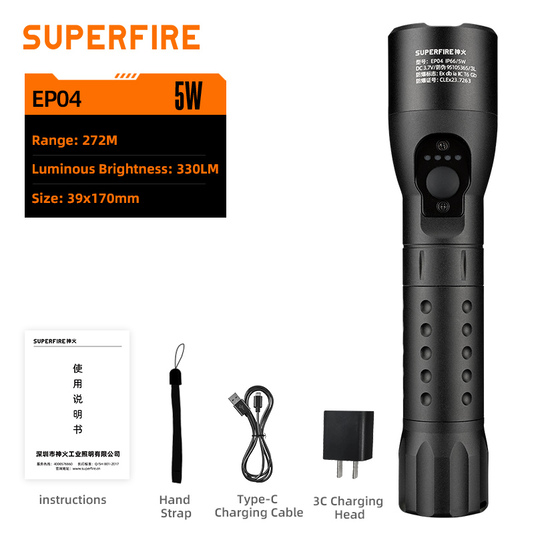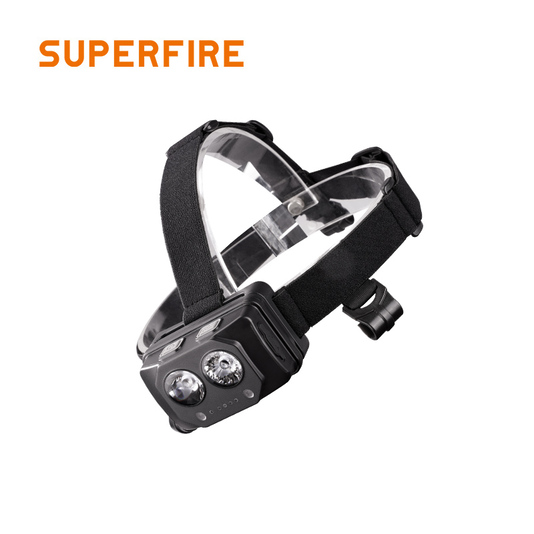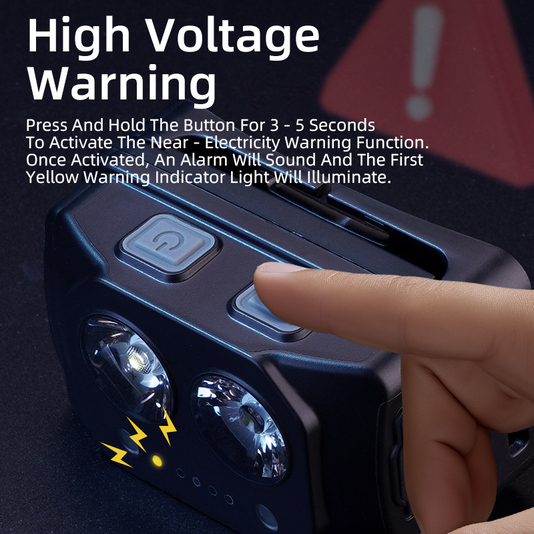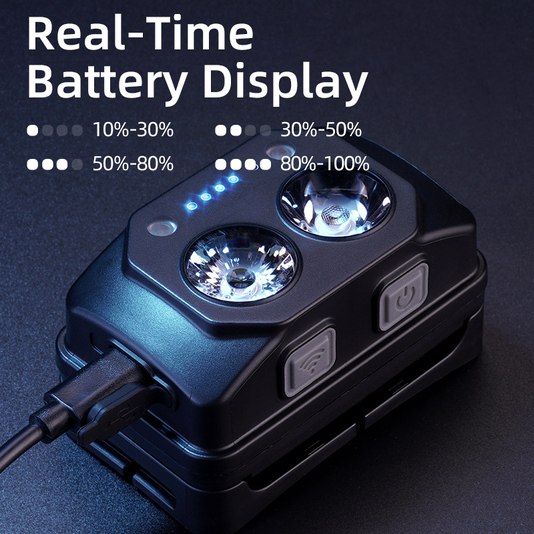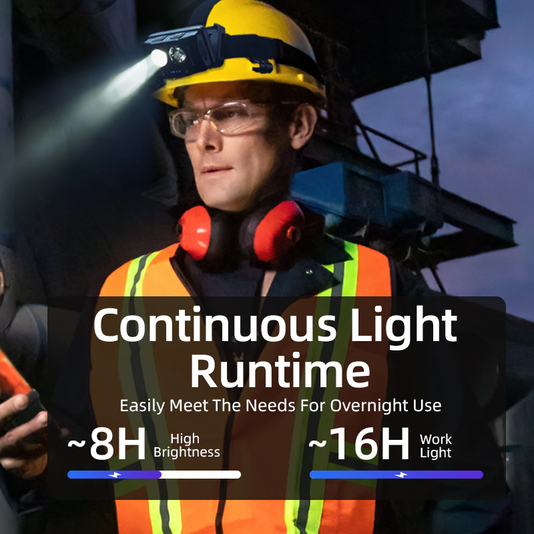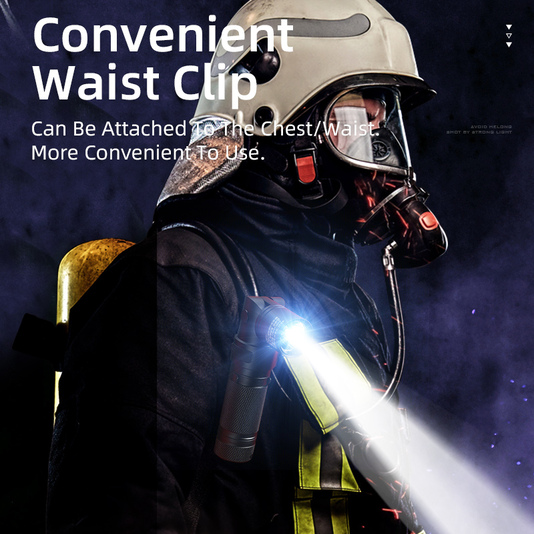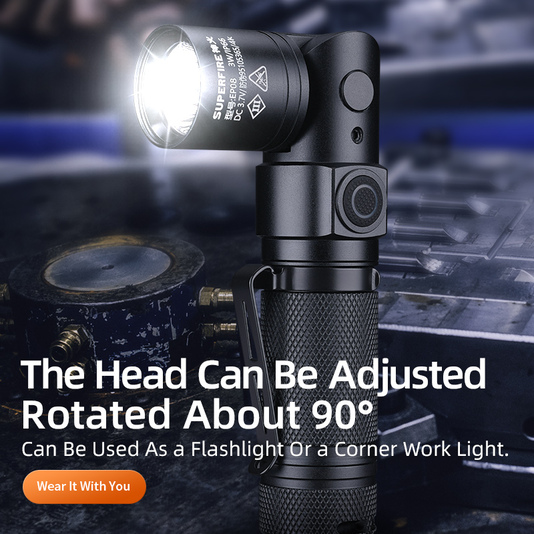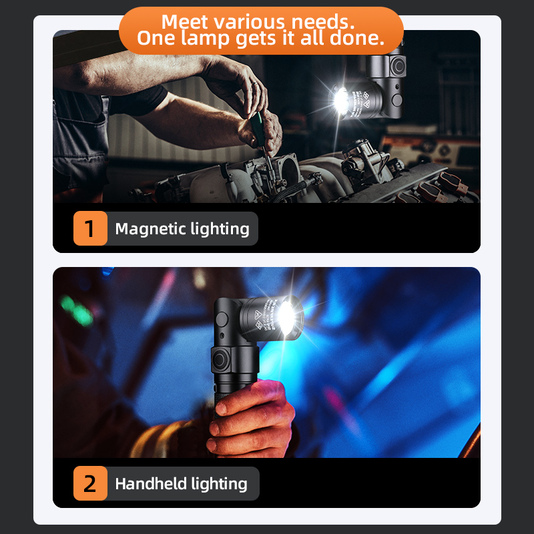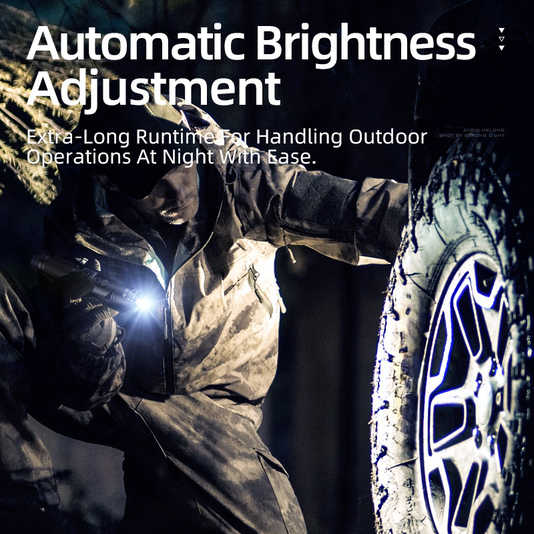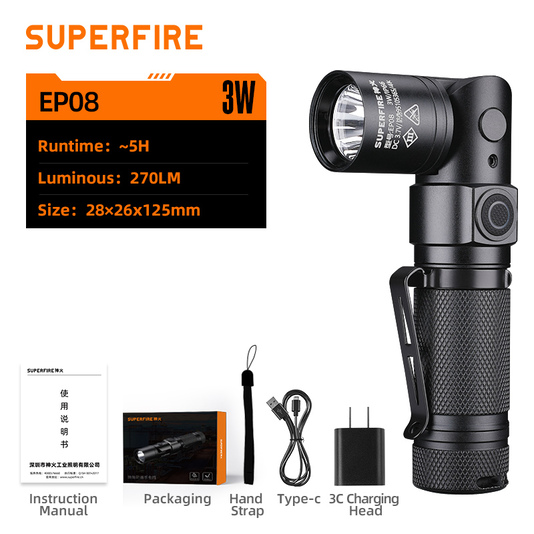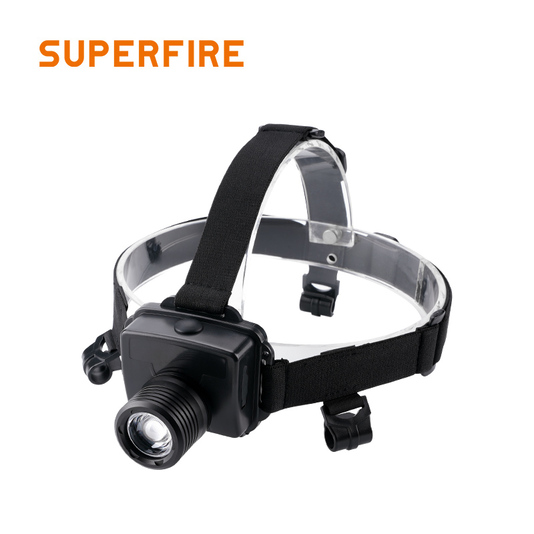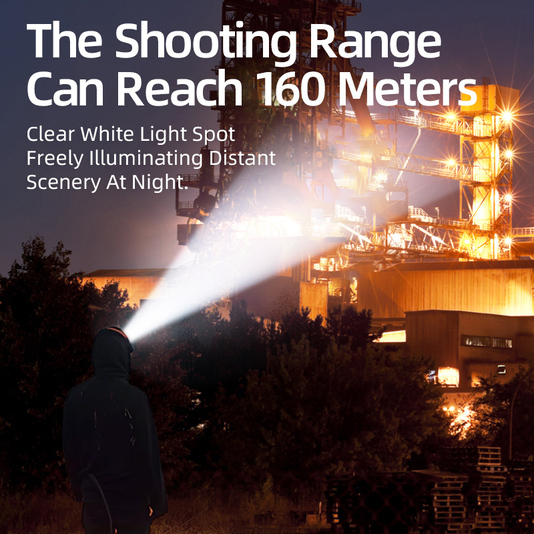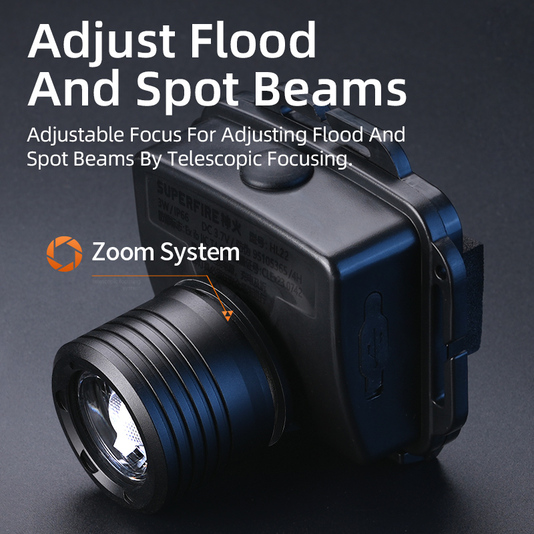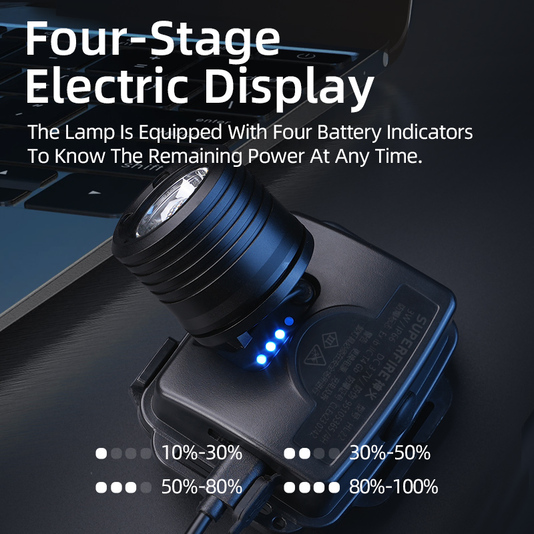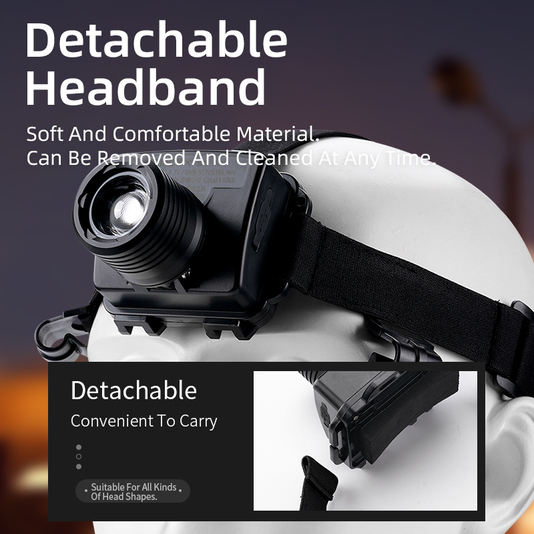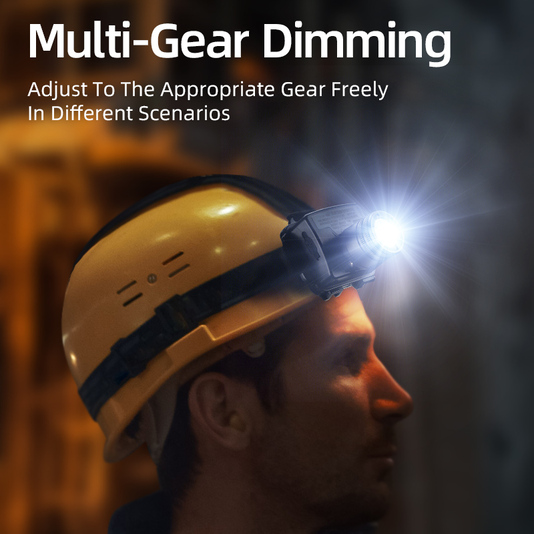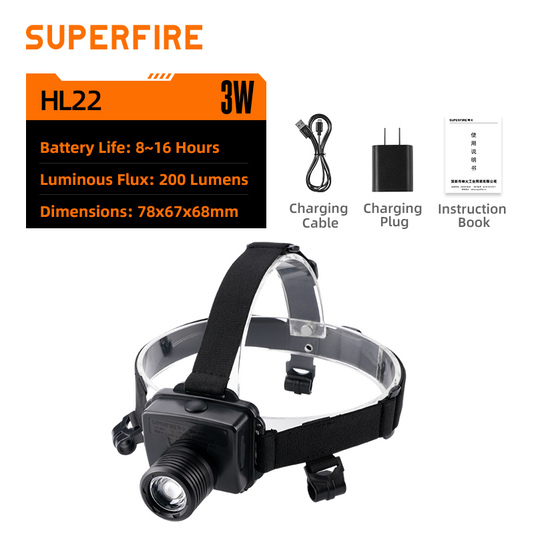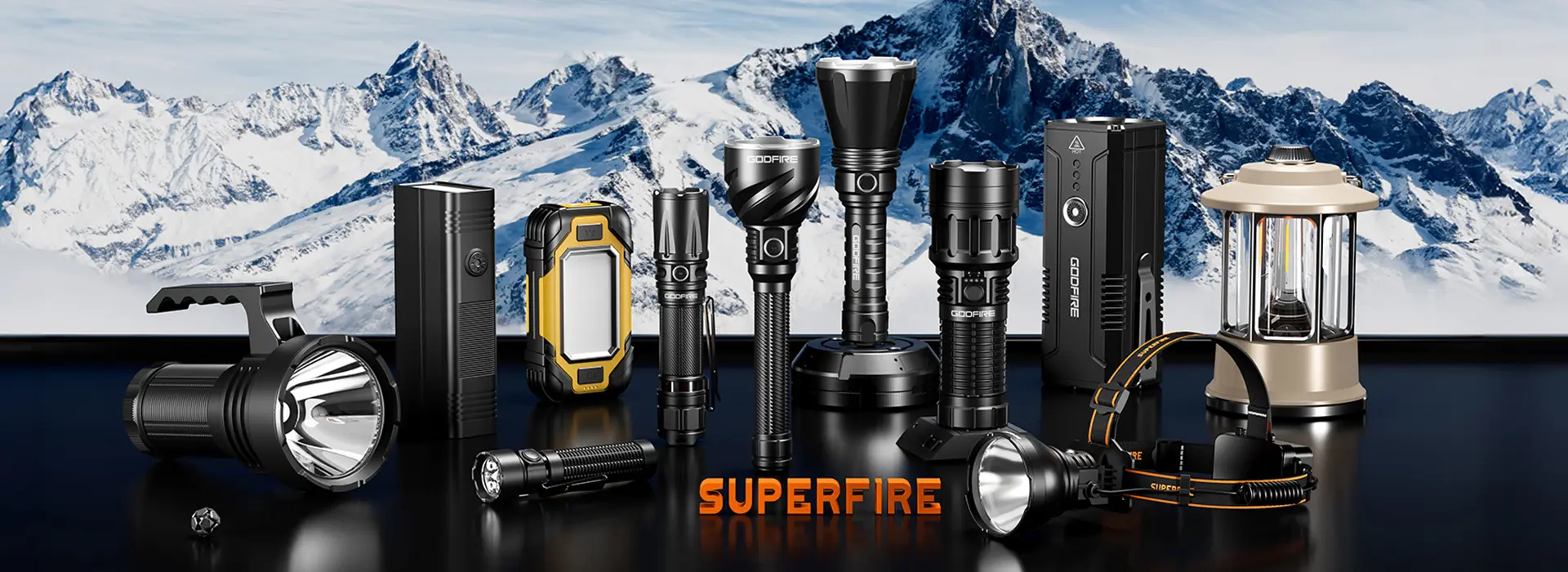
防爆ハンドヘルド懐中電灯とヘッドランプは、可燃性ガスや蒸気が存在する可能性のある危険な環境での安全な操作を確保するための堅牢な機能を備えて設計されています。 このプロのledトーチ腐食や衝撃に強い耐久性のある材料で構成されており、爆発の可能性のある大気で使用するための厳しい安全基準を満たしています。 彼らは高効率LED技術を利用して、エネルギー消費を最小限に抑えながら明るく信頼性の高い照明を提供します。 防炎トーチライトや防火トーチライトとして、石油やガス、鉱業、化学プラント、消防など、爆発のリスクが懸念される業界で不可欠なツールです。 これらのライトは、作業者の視認性と安全性を確保し、危険な場所で効率的かつ安全にタスクを実行できるようにします。
Selecting the correct explosion proof led flashlight is not just about brightness; it’s about matching the device’s safety specifications to your specific work environment. Follow these three critical steps to ensure compliance and safety:
1. Identify the Hazardous Zone Rating
Hazardous locations are classified into zones based on the frequency and duration of the presence of explosive gases or vapors. Ensure your torch is certified for the correct area:
Zone 0: Explosive atmosphere is present continuously or for long periods. Requires the highest level of protection (Intrinsically Safe).
Zone 1: Explosive atmosphere is likely to occur in normal operation.
Zone 2: Explosive atmosphere is unlikely to occur, or only for a short time.
2. Match the Temperature Class (T-Rating)
Every flameproof safety torch has a T-rating (T1 to T6) that indicates its maximum surface temperature. To prevent ignition, the torch's T-rating must be lower than the auto-ignition temperature of the gases in your environment. For example, a T4 rated flashlight (max 135°C) is a versatile choice for many industrial chemical applications.
3. Evaluate Material Integrity & Spark Resistance
The casing of a spark proof flashlight must prevent both electrical and mechanical sparks.
Anti-static Polymers: Essential for plastic-bodied torches to prevent static buildup.
Non-corrosive Aluminum: High-strength, aircraft-grade aluminum is ideal for gas proof flashlights used in rugged mining or oil & gas sites, as it provides impact resistance without creating frictional sparks.
4. Check for International Certifications
Always verify that your torch light explosion proof unit carries recognized marks such as ATEX (Europe), IECEx (Global), or UL (North America). These certifications guarantee that the unit has undergone rigorous testing under pressure and thermal stress.
While often used interchangeably, they represent different protection methods. A flame proof torch (Ex d) is built with a heavy-duty enclosure designed to contain an internal explosion and cool the escaping gases so they cannot ignite the external atmosphere. In contrast, a spark proof flashlight (also known as intrinsically safe or Ex i) focuses on prevention; its circuits are limited to low energy levels that are incapable of generating a spark or thermal effect sufficient to cause ignition. Both are essential for hazardous site safety but satisfy different regulatory requirements.
Yes. Our explosion proof rechargeable flashlights are equipped with high-capacity, thermally protected lithium-ion batteries specifically engineered for industrial endurance. To ensure total safety, these units feature sealed, anti-arcing charging ports and integrated BMS (Battery Management Systems) that prevent overcharging and short circuits, allowing for safe, repetitive use in demanding field environments.
Gas proof flashlights are mandatory in any "Class I" environment where flammable gases, vapors, or mists may reach explosive concentrations. This includes:
Oil & Gas Refineries: Monitoring pipelines and storage tanks.
Chemical Processing Plants: Handling volatile solvents and reagents.
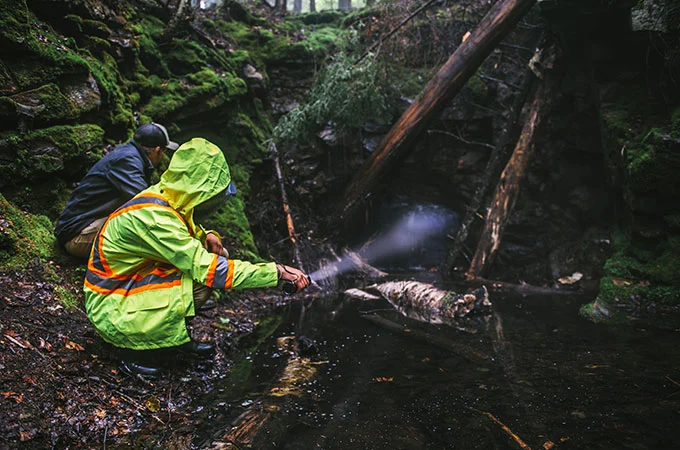
Wastewater Treatment: Areas where methane gas commonly accumulates.
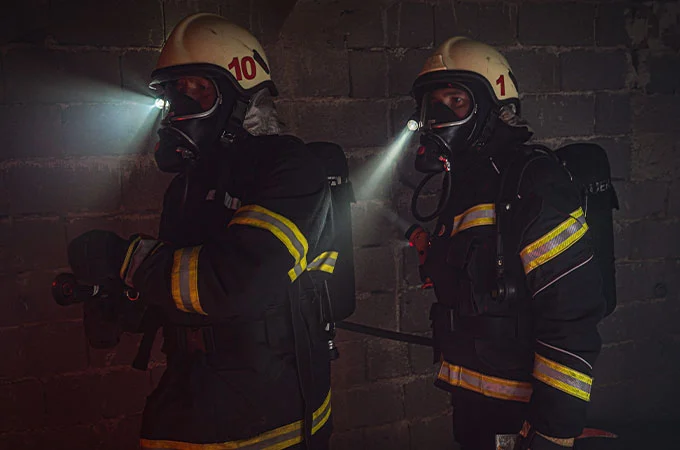
Firefighting & Rescue: Entering unknown, potentially combustible atmospheres.
Using a certified spark proof torch in these sectors is critical for both worker safety and legal regulatory compliance.
Absolutely. Our fire proof torch light units are typically dual-certified for both Gas (Zone 1/2) and Dust (Zone 21/22) hazards. With IP66/IP68 ingress protection, they prevent fine combustible dust (like grain or coal dust) from entering the casing, making them a versatile safety tool for grain silos, mining, and textile mills.



 English
 русский
 日本語
日本語 한국어
한국어 français
 Deutsch
 Español
 português
 العربية
 tiếng việt
 Türkçe